
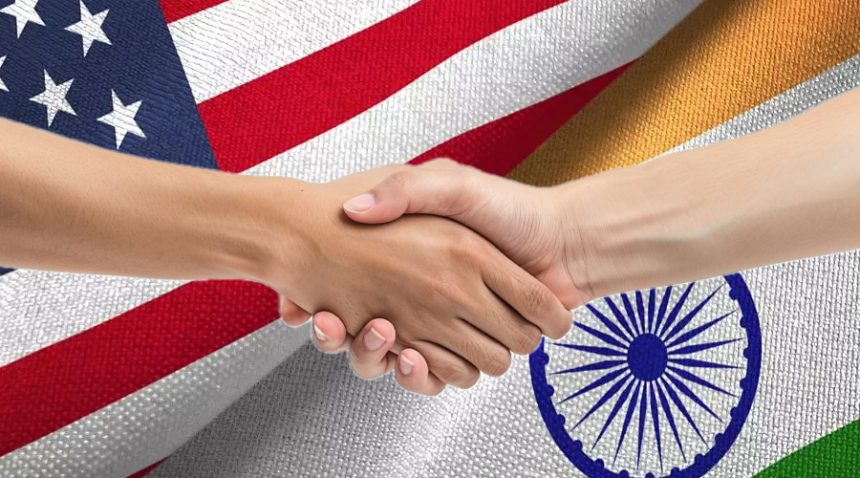
Look, the dust is finally settling on the India-US trade drama. On February 3, 2026, Commerce Minister Piyush Goyal basically told everyone to relax—the deal is in its “final stages” of detailing. This comes right after President Trump did one of his late-night announcements, confirming that US tariffs on Indian goods are dropping from a massive 50% down to 18%. It’s a huge relief for exporters who’ve been sweating over those punitive rates for months.
Goyal was pretty blunt during his media briefing in New Delhi. He made it clear that while India is opening up, they aren’t selling out the farmers. Sensitive areas like dairy, agriculture, and animal husbandry are supposedly “fully safeguarded.” He’s pitching this as a win-win: the big, labor-intensive sectors get their export boost, but the local farm economy stays protected from cheap imports.
If you’re in the export business, the mood just shifted. With tariffs capped at 18%, India is suddenly back in the game against competitors like Vietnam and Bangladesh. The sectors set to gain the most include:
- Textiles and Apparel
- Auto Components & Engineering
- Gems, Jewellery, and Home Decor
- Leather and Footwear
We don’t have the full, signed-and-sealed document yet. Goyal mentioned that a joint statement is coming “shortly” once the technical teams finish their work. He also took some shots at the Opposition, claiming they were trying to derail the news, but the bottom line is that the “geopolitical discount” on Indian goods is finally fading. It’s a milestone moment for 2026, and once that ink is dry, we’ll see if the $500 billion trade target is actually realistic.